
Whoa, how’s that for a title. Despite the mouthful, I hope to keep this post simple and short enough so that you won’t get bored. Key word…hope. If you’re an avid coffee drinker, this post is for you. If not feel free to skip it, or stick around you may learn something new!
Organic vs. Conventional Coffee
I’ve been drinking coffee religiously for about six years now. It started as a once in a while habit after my friend told me she frequented the bathroom almost immediately after consumption. Let’s be honest, coffee is a surefire way to expel last nights dinner.

This mug was made for a reason.
As I got older, my desire for coffee turned into something more. I suddenly enjoyed the flavors, the notes, the depth, the peace and quiet that came alongside my morning cup. Coffee became not only a warm beverage to get my day started, but an all around experience. These types of experiences are the ones you enjoy sharing with others.
I eat well, I workout often, I floss daily, and I pay attention to ingredient labels. I don’t buy all my produce organic, but I would say about 90% of it is. I pay attention to which products contain the most pesticides and those are always purchased organic, but what about my coffee?
Did you know: Most coffee is heavily sprayed with pesticides!? If you’re interested in learning more about this hit up Google for endless articles on how coffee is grown, and the differences between growing conditions and locations. In attempts to keep this post simple I will leave it at this. Coffee is no different than most produce grown in mass quantities, it’s sprayed with chemicals, and the quality goes down. Organic coffee means less chance of chemicals, and the beans are usually grown in smaller quantities, enhancing quality.
For all you crunchy earth loving hippies out there, buying organic also helps the people/and the earth that grow the beans. Pesticide free means the people growing the beans are not exposed to these harsh chemicals (ammonia and chlorine washed..eww..) and the earth is kept closer to its natural state..big fat WIN!

So where do you find organic coffees? Most local shops carry a variety of organic beans, along with a unique experience. I love local coffee shops, and despite the fact that I work at Starbucks I sometimes prefer local roasted coffee. Here are my thoughts on the two.
Starbucks vs. Local Coffee
Let me start by saying I love my job. Starbucks is an amazing company, and they treat their employees exceptionally well. I get benefits, I have a 401K which they match generously, I have a flexible schedule, I meet great people, and I work with coffee. I have NO complaints as an employee. As a customer though, I do have a few thoughts to share.
Starbucks has a limited selection for organic coffees. The store I work at has one option…ONE. I don’t drink frappucinos (holy sugar bomb), I don’t drink flavored lattes (IT TAINTS the coffee!?), and I usually stick to one beverage when I work: black coffee..hello predictability! The foo foo drinks/food just don’t coincide with my lifestyle.
Although there are limited “officially” organic beans at Starbucks, their beans are arabica. These beans are naturally grown at a higher altitude, meaning less pests, meaning less pesticides. The beans are also said to have a better taste! This I can work with.
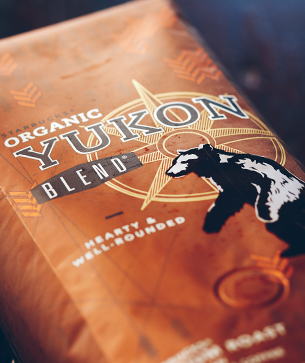
The main coffee I bring home from work.
Local shops offer more of a “home” like experience. I also love the uniqueness that comes alongside a cup of locally roasted coffee. Starbucks is nice because universally the quality and taste shouldn’t change no matter where you are in the world, but I love experiencing new areas with different coffee. Just like I do with different food!
I love the idea of supporting local mom and pop coffee shops, but don’t ditch Starbucks just because they are a “chain.” They do good things for their communities, they support hundreds of families in third world countries, and they do good things for their employees. I need health care, and most local shops just don’t offer that. I spend my money at Starbucks and at local coffee shops. If you do go to Starbucks and are interested in the organic roasts, simply ask them for an organic pour over. Boom, problem solved.
When it’s later in the day and I want a cup of crack to go alongside my chocolate chip cookie (because there is something magical about certain coffee flavors and chocolate) I opt for decaf. I try to be conscious of my caffeine intake, and the jitters are not a good look for me. Have you ever wondered how exactly coffee is decaffeinated?
Which Decaf Beans you Should Buy

To put it simply there are two ways to decaffinate your beans: chemically or not chemically.
My go to decaf beans are processed using “The Swiss Water Process.” This is a gentle and “natural” way to extract (most) of the caffeine from your beans. The beans are soaked in hot water, allowing the caffeine to release, and then filtered until they are 99% caffeine free. The alternative to this would be something like the “basic” decaffeinating process where chemical solvents are used such as methylene chloride or ethyl acetate. These chemicals strip caffeine molecules from the green coffee bean..uh no thanks.
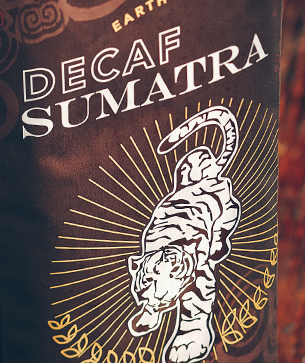
Starbucks just so happens to have a wonderful decaf Sumatra that is processed using The Swiss Water Process. The only down side is that it’s not organic. Well shit, you can’t win them all. Sometimes free coffee wins, plus I rarely drink decaf!!
Long story short is this: I still have a LOT to learn about which coffees are the best for your body, fair trade coffees, and different roasts from local shops. My coffee journey will forever be improving and updating itself. This info I shared is basic, please feel free to share with me any information you have that I didn’t mention. I love to learn new things!
Also for the record, I will not turn down coffee if it’s not organic, I’d drink hotel sludge, but when I have the option I’ll choose organic! At home coffee – always organic!
Q: Do you drink organic coffee/tea?? School me on your coffee knowledge!




 Blissfulbritt